
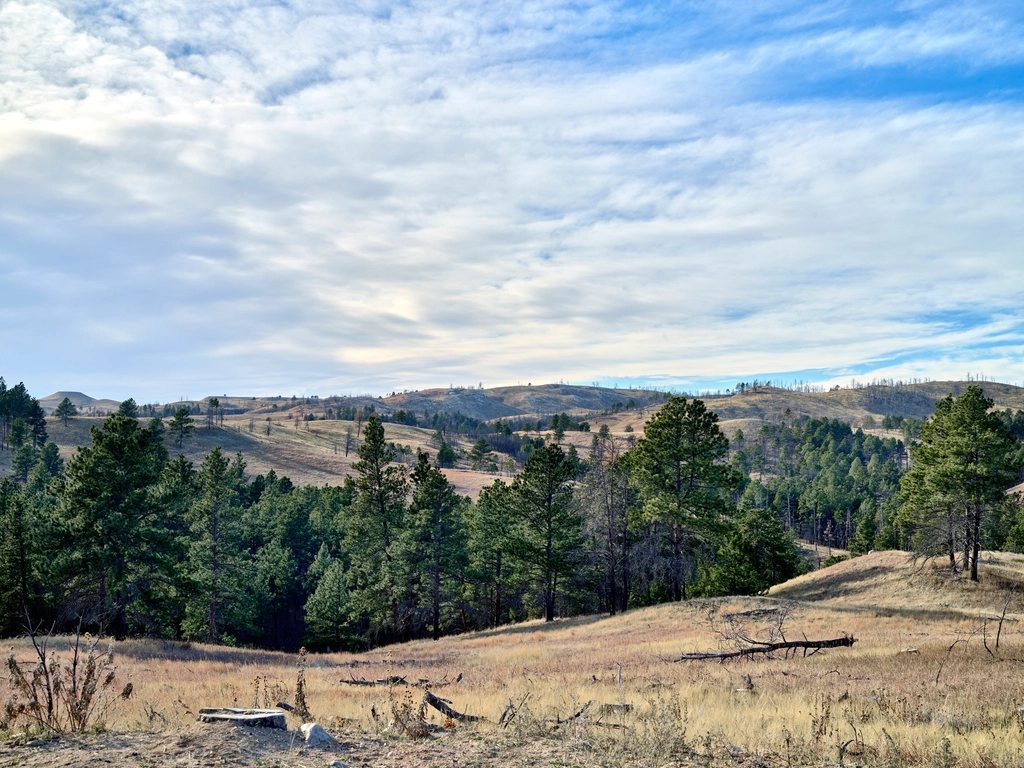
The Alpine hut is the most useful piece of infrastructure a mixed traveller could ask for, and most cyclists ride straight past it. A hut at 2000 or 2500 m sits at the exact point where wheels stop being useful and boots take over, it serves a hot dinner, and it sells a bed for the night without a tent. Ride up to it in the afternoon, leave the bike against the wall, climb a peak in the morning and ride down after lunch: that is the pattern we have refined over many summers, and it turns a hard road climb into a two-day expedition with a summit in the middle.
How the hut system actually works
Across the Alps the alpine clubs of each country run networks of staffed huts, several hundred of them, most open from mid-June to the end of September. They offer dormitory beds, half board with dinner and breakfast, drinking water and a drying room. Members of any alpine club with reciprocal agreements pay a reduced rate, and everyone else pays the full price, which is still cheaper than a valley hotel. Reservations are now expected almost everywhere in high season and are handled through central booking systems; showing up unannounced on a Saturday in August is a gamble that often ends on a bench.
What matters for cyclists is that huts do not care how you arrived. A bike is simply left outside, next to the walking poles and the drying boots. Some huts have a shed or a rack; most have a wall. We have never had a problem, but we always take the bags inside because the marmots are more of a threat than the guests.
Three huts that reward the combination
The pass huts are the easiest entry point because the road does the climbing for you. At the Stelvio, the road tops out at 2757 m after 48 hairpins from the Prato side, and a hut sits a few minutes above the pass. From there the walk to Monte Scorluzzo at 3095 m takes about an hour and a half on a rough path, with the whole ribbon of hairpins visible below. Riding to the pass takes most of a day with bags; sleeping at the top means the summit and the descent are done before the afternoon traffic builds.
In the Dolomites, the road over the Passo Giau at 2236 m puts a hut within reach of the Nuvolau, a 2575 m summit with a small hut perched on the very top. The walk from the pass takes roughly an hour and a half, and the reward is a view over a dozen of the most photographed peaks in Europe from the terrace of a building that has stood there since the nineteenth century. Sleeping at the summit hut and riding down in the morning light is one of the finest two-day itineraries we know.
In the Bernese Oberland the Grosse Scheidegg at 1962 m is closed to private cars, which makes the climb from Grindelwald a rare thing in the Alps: a paved road with almost no traffic. From the pass a walking trail contours to the First area and on to the Faulhorn at 2681 m, where a summit hut has welcomed walkers since 1830. Allow three to four hours for the walk, and expect the path to carry snow patches well into June.
Packing for two modes with one set of bags
The hut removes the sleeping kit from the equation, which is the single biggest saving in a mixed trip. What remains is a sheet liner, which most huts require, a set of dry clothes, a headtorch and enough cash for the bill, since card payments are still unreliable above 2000 m. On the bike we carry all of that in a frame bag and a seat pack, and the walk gear in a small foldable rucksack that lives flat against the frame bag until it is needed.
Shoes are the recurring problem. Stiff-soled cycling shoes with a walkable tread manage a path to a summit like the Nuvolau, but they are a liability on a scramble or on old snow. Our compromise is to ride in flat pedals with light approach shoes for any trip where the walking section is more than a couple of hours. The loss in pedalling efficiency is real but small; the gain in safety on a wet rocky path is enormous.
- Hut kit: sheet liner, dry layer, headtorch, cash, earplugs, a small towel.
- Walk kit: shell, warm layer, 1.5 litres of water, map, first aid, sun protection.
- Bike kit left at the hut: tools, pump, spare tube, locks, cycling shoes.
- Never left on the bike: passport, phone, anything that smells of food.
Timing the day around the hut routine
Huts run on a strict rhythm. Dinner is served at a fixed hour, usually between six and seven, lights go out around ten, and breakfast is early, often from six. This suits the mixed traveller perfectly. We aim to arrive by mid-afternoon, which on a big pass means leaving the valley in the morning and climbing at a steady 300 to 400 vertical metres per hour with bags. After dinner there is time to check the path for the morning with the hut warden, who knows the current snow conditions better than any forecast.
The morning walk starts with the first light. Summer thunderstorms in the Alps build in the early afternoon, so a summit reached by nine and a return to the hut by eleven keeps us well clear of them. Lunch at the hut, then the descent on the bike in the early afternoon, with the road drying and the tour buses still at the top taking pictures.
Where the pattern breaks down
The combination fails when the hut is a long way beyond the end of the rideable track. Many of the most famous huts sit two or three hours above the last road, which turns the bike into a very expensive thing to push. Our rule is that the bike should reach the hut, or at worst a locked stash point within thirty minutes of it. Beyond that, the day is a walk with a bike approach, which is a different trip and needs the bike locked in the valley.
The other failure is ambition. A road pass at 2700 m followed by a 3000 m summit is a strenuous two days for anyone, and a first attempt is better made on something like the Giau and the Nuvolau, where the numbers are gentler. Altitude, a dormitory night and a heavy bike each take something out of the legs, and they add up. Choose the hut for its position, choose the summit for its path, and let the road do the rest.