
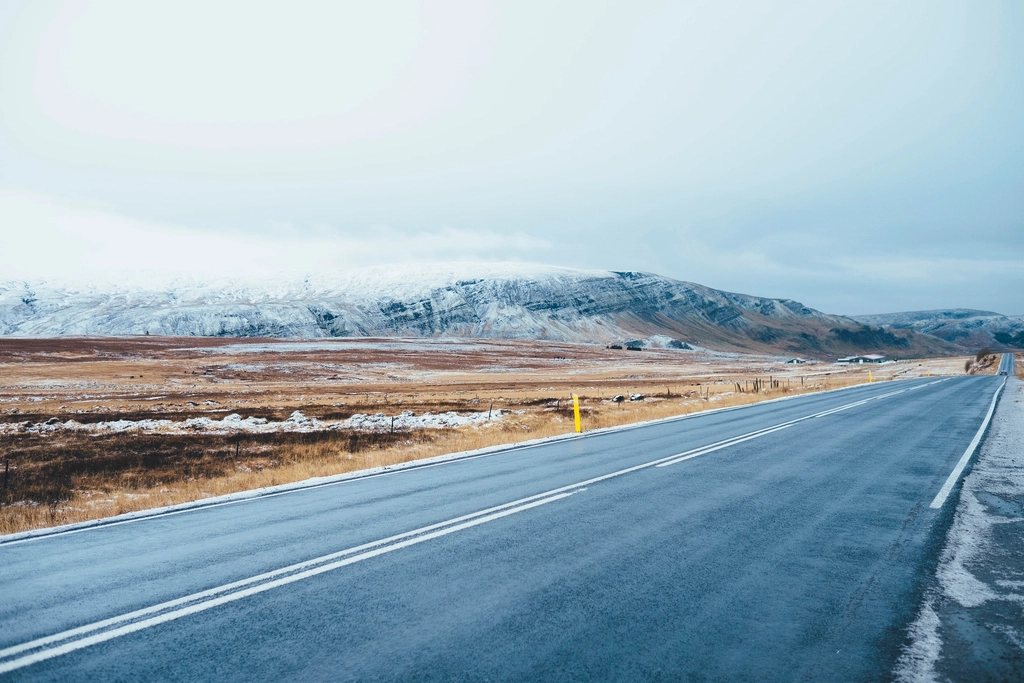
Winter separates the bike world into two camps. One waits for the thaw; the other fits tyres the width of a forearm and heads for the packed trails. We belong to the second camp, but with a twist that solves the fat bike’s one great weakness. A fat bike is superb on groomed or packed snow and hopeless in anything deeper than about 15 cm of fresh powder. Snowshoes are the opposite: slow on hard pack, unbeatable in the deep. Carry both, ride the packed corridors between the good places, strap the bike to a tree, and walk into the untracked forest on snowshoes. It is the winter version of bike-and-hike, and it opens terrain that neither tool reaches alone.
What the fat bike can and cannot do on snow
The physics are simple. A tyre of 100 to 120 mm width run at 0.3 to 0.6 bar spreads the weight of rider and bike over a patch of snow large enough to float on a firm surface. Groomed multi-use trails, snowmobile tracks, packed forest roads and frozen lakes with a crust all work. Fresh snow does not: the tyre sinks, the front wheel wanders, and the effort per kilometre triples. The threshold is about 10 cm of unconsolidated snow on a firm base; beyond that the bike is being pushed.
Temperature changes the rules again. Between minus 5 and minus 15 degrees the snow is dry and squeaky and grips beautifully. Around zero the surface turns to slush, the tyres spin and the bike collects ice in every gap. Very cold days below minus 20 bring their own problems: hydraulic brakes go wooden, batteries lose half their capacity, and the rider loses feeling in fingers on long descents. We plan rides for the cold, dry middle of that range and keep the trip short when the forecast sits at either end.
Where snowshoes take over
The snowshoe covers the ground the bike refuses. A modern pair weighs around 2 kg and provides enough flotation to walk across 50 cm of fresh snow at 3 km/h, slower on steep ground. Strapped to a rear rack or a pack, they take up little space and add weight the bike does not notice on a packed trail. At the point where the groomed corridor ends, or where a side valley looks worth exploring, the bike goes against a tree, the snowshoes go on and the walk begins.
The combination shines on a particular kind of terrain: a long packed approach, such as a forest road groomed for snowmobiles or ski touring, leading to a lake, a viewpoint or a hut that lies a kilometre or two off the packed line. Riding 15 km of forest road takes an hour; walking it on snowshoes takes four. Snowshoeing the last 2 km through untracked forest to a frozen lake takes forty minutes and is the whole point of the day.
- Ride: groomed trails, snowmobile tracks, packed forest roads, lake crusts after a hard freeze.
- Walk on snowshoes: fresh snow deeper than 10 cm, steep wooded slopes, untracked side valleys.
- Avoid both: slush near zero degrees, wind slab on open slopes, thin lake ice near inlets.
Sharing groomed trails without ruining them
Most of the packed surfaces a fat bike relies on are groomed for someone else, usually cross-country skiers or snowmobiles, and the etiquette is strict. Where fat bikes are permitted on ski trails, we ride only when the surface is firm, never on freshly groomed classic tracks, and we walk the bike off the trail rather than leaving a rut when the surface softens. A tyre leaving a 3 cm groove in a soft track is the fastest way to get bikes banned from a trail network, and it has happened in several places.
Snowshoes cause their own damage. Walking on the groomed lane punches holes in the surface that freeze into ankle-breakers overnight, so we walk beside the trail, not on it, and we cross groomed tracks at right angles. Many nordic centres now have dedicated fat bike and snowshoe loops, and a day pass or seasonal permit is normal; the fee pays for the grooming that makes the ride possible in the first place.
Dressing for two very different efforts
The winter mixed day has a clothing problem that summer never poses. Riding generates wind chill and modest effort; snowshoeing in deep snow is a sweaty grind with no wind. Dressing for one leaves us either frozen or soaked in the other. Our answer is a strict layering routine at each transition: shell and warm gloves off before the snowshoes go on, a light windproof and thin gloves for the walk, and everything back on before the descent on the bike. The change costs three minutes and prevents the chilled, damp state that ends winter days early.
Feet decide the day. Flat pedals with insulated winter boots work for both modes, and the same boots slip straight into snowshoe bindings. Clipless systems freeze, pack with snow and require a second pair of footwear; we abandoned them for winter years ago. Hands need pogies or bar mitts on the bike and a spare pair of dry gloves in the pack, because wet gloves in a headwind at minus 10 degrees are a medical problem within an hour.
Safety margins in the cold
A winter mixed day carries risks that summer bikepacking does not. Daylight is short, often under nine hours in December at northern latitudes, so a late start becomes a headtorch finish. We set a turnaround time and honour it. Frozen lakes need at least 10 cm of clear ice for a person and more for a bike and rider; we stay off them unless the local authority or the trail operator has confirmed the thickness. On open slopes above the treeline the avalanche rules apply to snowshoers and fat bikers just as they do to skiers, and a groomed trail through a runout zone is not safe just because it is groomed.
Finally, the bike itself is a safety tool. If the weather turns, the fastest way back to the car or the village is along the packed trail on wheels, which is why we never wander more than an hour on snowshoes from the bike. The winter combination works because the two modes cover for each other: the bike gives range, the snowshoes give reach, and neither has to do the job it does badly.